
Tactical Communication Enables Real-Time Situational Awareness on the Modern Battlefield
- Joanna Li
- Oct 21, 2025
- 4 min read
Tactical communication systems are the backbone of mission-critical operations, enabling seamless coordination and situational awareness in the most demanding environments. These systems play a vital role in the army, supporting defense strategies and ensuring interoperability across military departments such as the Department of Defense. From rugged radios to deployable shelters, advanced communication solutions are essential for military, public safety, and emergency response teams operating in harsh and remote locations.
What Is Tactical Communication?
Tactical communication refers to the real-time, high-reliability exchange of voice and data among combat units, command centers, and multi-domain forces — land, air, sea, space, and cyber. Clarity in tactical communication is essential to ensure effective understanding and execution, especially in high-pressure situations. Tactical communication systems are deployed in the field to support various missions, providing critical connectivity and operational support where it is needed most. It forms the foundation of battlefield connectivity, enabling situational awareness, command execution, and decision-making.
As technologies evolve, tactical communication includes radio, radio communications, and other integrated systems, moving beyond point-to-point radios to form integrated, resilient networks that maintain connectivity even under severe jamming or electronic attack. These systems ensure commanders have all-domain, all-time, and all-scenario visibility of the operational environment.
What Is Situational Awareness on the Battlefield?
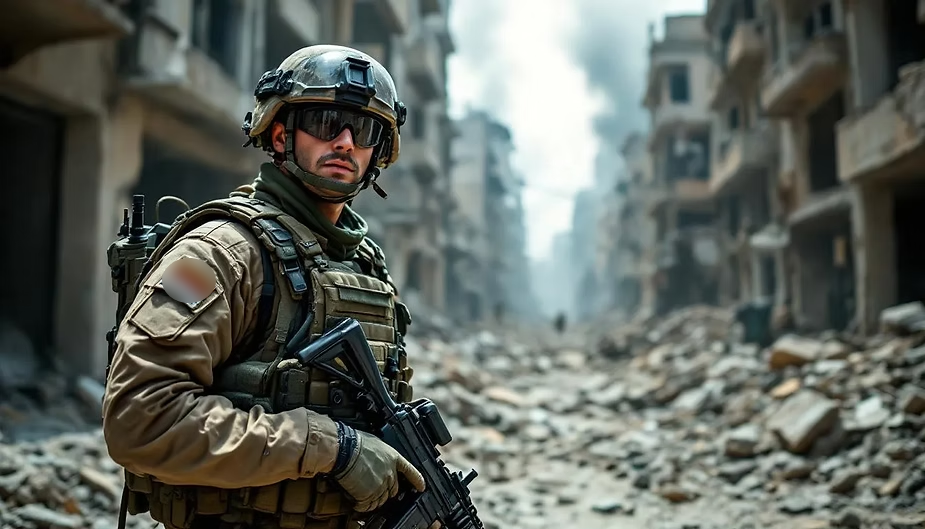
Situational Awareness (SA) is the ability of commanders and soldiers to perceive, understand, and predict the operational environment in real time. It involves three stages — perception of data (what is happening), comprehension (what it means), and projection (what will happen next). The perception of data relies heavily on timely intel and messages, which provide current intelligence and critical updates from the field, enabling effective situational awareness.
On the battlefield, real-time situational awareness means having an accurate understanding of the positions of friendly and enemy forces, terrain conditions, electronic interference, logistics status, and emerging threats. The words chosen in tactical communications can significantly influence how a person interprets and responds to information, impacting decision-making and coordination during operations.

How Tactical Communication Enables Situational Awareness?
Before the advent of modern tactical communication, military units relied on messengers traveling on foot or horseback to deliver orders across the battlefield. Visual signals such as flags, and auditory signals like drums and trumpets, were used to convey commands over distances. Physical communication lines, including early telegraph and telephone lines, also played a role. These methods were often difficult to use, especially in chaotic or noisy environments, and were limited by line-of-sight, speed, and security.
At the hardware level, tactical radios form the backbone of tactical communication. Equipped with frequency-hopping, encryption, and MANET (Mobile Ad Hoc Network) capabilities, they build a self-forming, self-healing battlefield network. Advances in technology have increased the power and reduced the size of tactical communication equipment, making them more portable and efficient for mission-critical operations. This network connects soldiers, vehicles, and command nodes into a unified system where voice, video, and data are shared in real time.
At the software level, the Battlefield Management System (BMS) acts as the brain of tactical communication. It supports situational awareness, operational planning, command and control (C2), and daily mission management. As an open and modular platform, it allows flexible customization based on mission requirements and seamlessly integrates with ISR (Intelligence, Surveillance, Reconnaissance) sensors. Clear verbal communication and dedicated talk channels help prevent misunderstandings and ensure that every signal is conveyed effectively across the network.
The system integrates UAVs, radars, weapon sights, and night vision devices to provide real-time battlefield intelligence. This enhances soldiers’ understanding of their environment and potential threats. Through data fusion and secure communication, the system ensures low-latency, interference-resistant connectivity, empowering commanders to make faster and more accurate decisions in complex combat environments.
Core Technology
Secure, Resilient Network
To ensure the integrity and security of your networks against potential threats, it is imperative to utilize secure communication channels. The implementation of encrypted messages is crucial, as it guarantees that unauthorized individuals cannot access the transmitted information. Military-grade messaging systems are designed to protect sensitive data, including maps and operational orders, thereby maintaining operational security.
Interoperability
Collaboration with diverse units from various countries requires interoperability to enable the integration of both legacy and modern systems within your networks. Challenges such as technological disparities, lack of standardized protocols, and cybersecurity risks are common. Additionally, issues arise when teams employ different terminologies or communication methods.
To address these challenges, integrated systems are utilized. This integration allows for the connection of IRS, video conferencing, and data sharing across all units.
Hycomms Tactical Communication Solution
Hycomms is your trusted partner in tactical communication and system integration.
We deliver end-to-end communication solutions that connect from headquarters to the individual soldier. Our systems combine tactical radios, tactical vehicles and shelters, and battlefield management software to create a unified operational environment — enabling seamless coordination among all parties involved in operations, enhanced situational awareness, and mission success.
FAQ
What is the relationship between tactical communication and situational awareness?
Tactical communication enables the real-time flow of data that forms the foundation of situational awareness for decision-making.
Can Hycomms systems integrate with existing military networks or sensors?
Yes. Our open-architecture design allows seamless integration with third-party ISR (Intelligence, Surveillance, Reconnaissance) systems, legacy communication networks, and command software — ensuring full interoperability and future scalability.


Comments